Summary: Improving your dog training skills is essential for fostering a happy and obedient pet. In this guide, we delve into practical methods to enhance obedience, address behavioral issues, and teach advanced commands, all while strengthening your bond. By focusing on positive techniques, you can make training enjoyable for both you and your dog. Let’s embark on this journey to better dog training skills together!
Understanding the Basics of Dog Training Skills
Dog training skills encompass a range of techniques that help shape your dog’s behavior. For instance, basic obedience includes commands like ‘sit’, ‘stay’, and ‘come’, which are foundational for safety and communication. Above all, using positive reinforcement—such as treats and praise—can make learning fun. I remember when I first trained my rescue dog, Max; by rewarding his good behavior with small treats, he quickly picked up new commands. Similarly, consistency is key; repeating exercises daily helps reinforce these skills. Consequently, starting with simple tasks builds confidence for both you and your pet. If you’re new to this, check out our Dog Obedience Training for Beginners for easy steps to get started.

Advanced Techniques to Elevate Your Dog Training Abilities
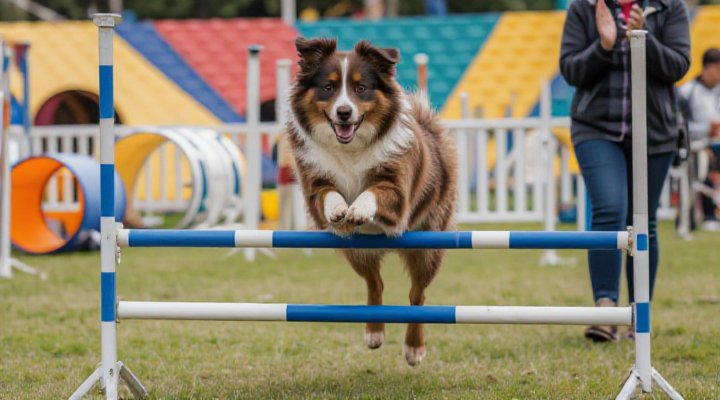
Once you’ve mastered the basics, it’s time to explore advanced dog training skills. For example, teaching tricks like ‘roll over’ or ‘fetch specific items’ can stimulate your dog’s mind. Moreover, behavior modification techniques, such as desensitization for fears, require patience and gradual exposure. On the other hand, agility training adds a physical element, improving coordination and bonding. During my sessions with Max, we incorporated agility exercises, and it amazed me how it boosted his focus. Further, using clicker training can refine timing and precision in commands. To dive deeper, our Advanced Dog Training for Agility offers professional insights. Likewise, the American Veterinary Medical Association provides excellent resources on humane training methods.
Common Challenges in Dog Training and How to Overcome Them
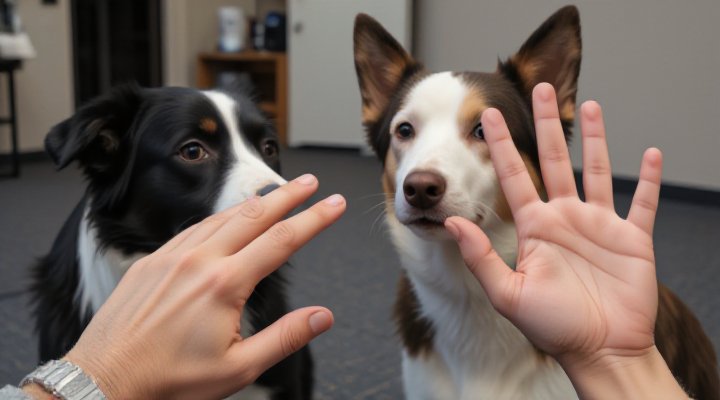
Many owners face obstacles when honing their dog training skills, such as stubbornness or distractions. But, however, these can be managed with tailored strategies. For instance, if your dog is easily distracted, practice in a quiet environment first. In other words, start small and gradually increase complexity. I recall Max getting sidetracked by squirrels; by using high-value treats, we kept his attention. Subsequently, addressing issues like barking or jumping requires consistent redirection. Importantly, never punish your dog, as it can harm trust. Instead, focus on positive alternatives. Our Best Pet Training Methods covers more on handling such challenges. Additionally, the Humane Society emphasizes reward-based approaches for long-term success.
Building a Strong Bond Through Effective Dog Training
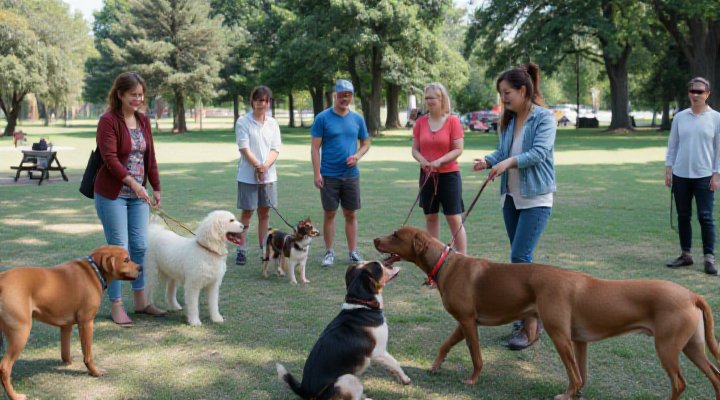
At its core, dog training skills are about strengthening your relationship. That is to say, when you train with empathy and fun, your dog sees you as a trusted leader. For example, incorporating play into sessions can reduce stress and increase engagement. Meanwhile, regular training builds mutual respect and understanding. In the same vein, I’ve found that ending each session on a positive note, like a cuddle or favorite game, reinforces the bond. Consequently, this approach leads to a happier, more responsive pet. To support this, our How to Train a Senior Dog New Tricks shows that age is no barrier to learning. Most importantly, patience and love are your best tools in this journey.
Tips for Maintaining and Improving Your Dog Training Skills Over Time
To keep your dog training skills sharp, continuous learning is vital. Firstly, attend workshops or online courses to stay updated on new methods. Further, practicing with different dogs can broaden your experience. For instance, volunteering at a local shelter helped me adapt to various temperaments. Moreover, set small goals and celebrate progress to stay motivated. After that, review and adjust techniques based on your dog’s response. Likewise, joining communities or forums can provide support and ideas. In conclusion, improving dog training skills is an ongoing process that enriches both your life and your pet’s. Remember, every dog is unique, so tailor your approach accordingly.
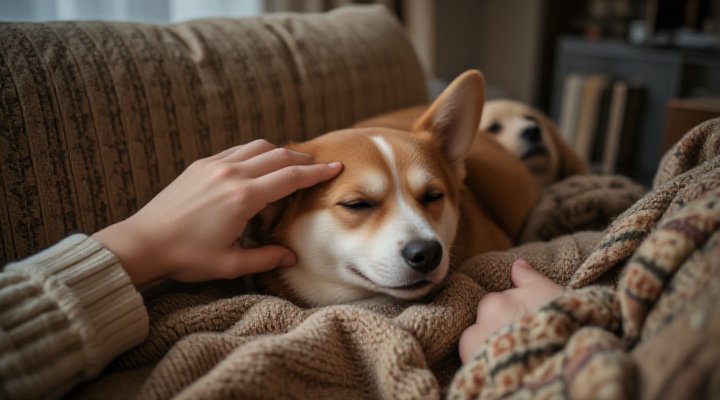
By focusing on these aspects, you’ll see remarkable improvements in your dog’s behavior and your own confidence. Keep exploring, stay positive, and enjoy the rewarding experience of training your furry friend!
Related Keywords: dog training, obedience training, behavior modification, advanced commands, pet-owner relationship, positive reinforcement, dog training techniques, canine training, training methods, dog behavior.
