
Training a cat with positive reinforcement is all about using rewards to encourage good behavior, making it a fun and effective way to build skills with your feline companion. In other words, it’s a method that focuses on what your cat does right, rather than punishing mistakes. For instance, when my own cat, Whiskers, learned to sit on command through tasty treats, it turned our sessions into bonding time full of purrs and play. Above all, this approach fosters a positive learning environment and strengthens the bond between you and your pet. So, let’s dive into the essentials of how to train a cat with positive reinforcement, covering everything from basic principles to advanced techniques.
Understanding Positive Reinforcement for Cats
Positive reinforcement involves rewarding your cat immediately after they perform a desired behavior, which increases the likelihood they’ll repeat it. That is to say, when you give a treat, praise, or a favorite toy right when your cat sits or comes when called, they associate that action with something pleasant. Consequently, this method is based on the science of operant conditioning, where behaviors followed by rewards are reinforced. For example, if you’re working on how to train a cat to use a litter box, offering a small treat after successful use can speed up the learning process. Similarly, in broader best pet training methods, positive reinforcement is often highlighted for its effectiveness and kindness. But, on the other hand, it’s important to avoid rewards for unwanted behaviors, as this can confuse your cat. Therefore, consistency is key to making this work.
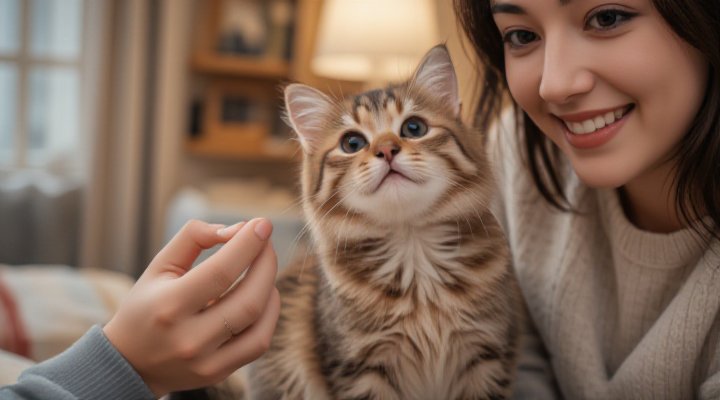
Essential Tools and Rewards for Training
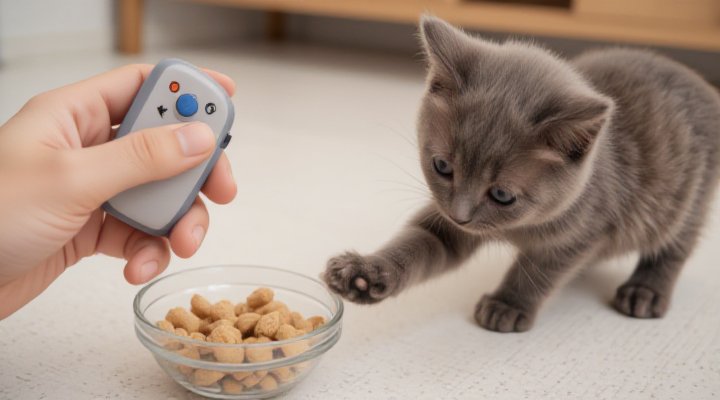
To get started with how to train a cat with positive reinforcement, you’ll need some basic tools. Firstly, high-value treats are crucial—these should be small, tasty, and something your cat loves, like bits of cooked chicken or commercial cat treats. Moreover, a clicker can be very helpful; it makes a distinct sound that marks the exact moment your cat does the right thing, followed by a reward. In addition, toys and praise can serve as rewards, especially for cats who are less food-motivated. For instance, when I trained Whiskers, I used a mix of treats and gentle petting to keep him engaged. Further, ensure you have a quiet, distraction-free environment to begin training. Meanwhile, it’s wise to consult resources like the AVMA’s guide on positive reinforcement for expert advice on safe and effective rewards. So, gather your supplies and get ready for some fun sessions!
Step-by-Step Guide to Train a Cat with Positive Reinforcement
Implementing how to train a cat with positive reinforcement involves clear, manageable steps. Firstly, choose a simple behavior to start with, such as ‘sit’ or ‘come’. Then, use a lure, like a treat, to guide your cat into the position, and reward them immediately when they comply. Subsequently, introduce a verbal cue or clicker sound to mark the behavior, always pairing it with a reward. For example, say ‘sit’ as your cat sits, then click and give a treat. After that, practice in short sessions of 5-10 minutes to keep your cat’s attention. Likewise, gradually phase out the lure but continue rewarding to reinforce the behavior. In the same vein, if you’re also exploring best ways to socialize kittens, positive reinforcement can help them feel safe and confident. Most importantly, be patient and celebrate small successes—this builds trust and makes training enjoyable for both of you.
Common Behaviors to Train Using Positive Reinforcement
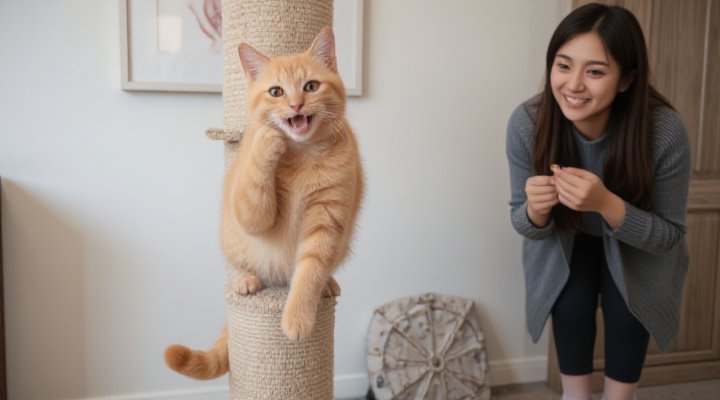
When learning how to train a cat with positive reinforcement, focus on behaviors that enhance your cat’s well-being and your relationship. For instance, teaching your cat to come when called can be a lifesaver in emergencies. Similarly, training them to use a scratching post instead of furniture prevents damage and promotes healthy habits. Additionally, you can work on basic commands like ‘stay’ or ‘high-five’ for mental stimulation. To clarify, always reward immediately after the behavior to strengthen the association. But, however, avoid training when your cat is tired or hungry, as this can lead to frustration. Consequently, by targeting these common behaviors, you’ll see quick progress and a happier cat.
Overcoming Challenges in Positive Reinforcement Training
While how to train a cat with positive reinforcement is generally smooth, you might face some hurdles. For example, if your cat isn’t interested in treats, try different rewards like play or affection. On the other hand, if behaviors aren’t sticking, check that you’re rewarding consistently and at the right time. Meanwhile, distractions can be an issue, so start in a calm area and slowly introduce new environments. Further, if your cat seems stressed, take a break and resume later—forcing training can backfire. In my experience with Whiskers, he was initially shy, but using his favorite toy as a reward helped him open up. Therefore, adaptability and patience are essential. For more insights, refer to the Humane Society’s tips on cat training, which emphasize kindness and consistency.
Advanced Techniques and Long-Term Success
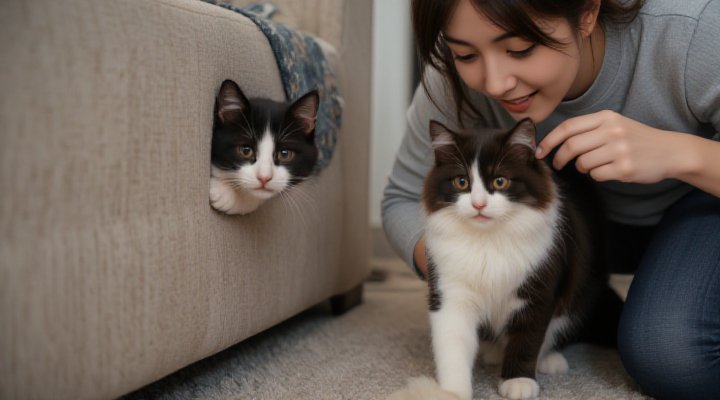
Once you’ve mastered the basics of how to train a cat with positive reinforcement, you can move to more advanced skills. Firstly, consider shaping, where you reward successive approximations of a complex behavior. For instance, to teach your cat to jump through a hoop, reward them for first approaching it, then touching it, and so on. Moreover, incorporate variable reinforcement—sometimes giving a reward, other times not—to make behaviors more resilient. In addition, use this method for issues like reducing aggression or anxiety, as covered in cat training techniques complete guide. Above all, maintain training as part of your daily routine to reinforce learning and strengthen your bond. Consequently, with time, your cat will respond eagerly to cues, making life together more harmonious and fun.
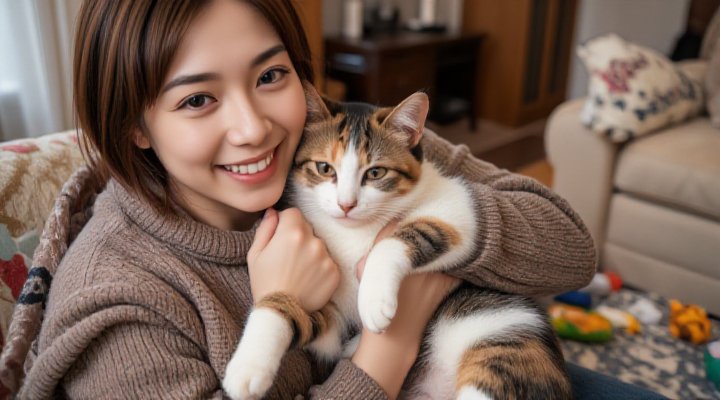
In conclusion, learning how to train a cat with positive reinforcement is a rewarding journey that enhances your cat’s behavior and deepens your connection. By using treats, praise, and patience, you can teach everything from simple commands to complex tricks. Remember, the key is consistency, positivity, and adapting to your cat’s unique personality. So, grab those treats and start training—your feline friend will thank you with purrs and affection! For further reading, check out our articles on how to train a senior dog new tricks and other pet care topics.
Related Keywords: positive reinforcement cat training, train cat with treats, cat behavior training, reward-based cat training, cat training methods, feline training techniques, cat owner bonding, cat training steps
