
In this comprehensive guide, we’ll explore how to train a dog with positive reinforcement, a method that uses rewards such as treats, praise, or play to motivate and shape your dog’s behavior. This approach not only teaches essential skills but also strengthens the bond between you and your furry friend, making training a joyful experience for both. By focusing on positive outcomes, you can address common challenges like obedience, socialization, and even specific issues covered in our articles on dog obedience training for beginners and how to train a senior dog new tricks. Above all, this method is simple, effective, and backed by science, ensuring your dog learns in a stress-free environment.
Understanding How to Train a Dog with Positive Reinforcement
Positive reinforcement is all about rewarding your dog for good behavior, which encourages them to repeat it. For example, when your dog sits on command, you give them a treat or verbal praise. Consequently, they associate sitting with something positive. This method is widely recommended by experts because it builds confidence and reduces fear, unlike punitive techniques that can harm the human-animal bond. In other words, it’s like teaching a child with encouragement rather than scolding. I remember when I first tried this with my rescue dog, Max; his tail wags and eager eyes made every session feel like a game, not a chore. Moreover, this approach aligns with resources from authoritative sites like the American Veterinary Medical Association, which emphasizes humane training practices.
Getting Started with Positive Reinforcement Dog Training
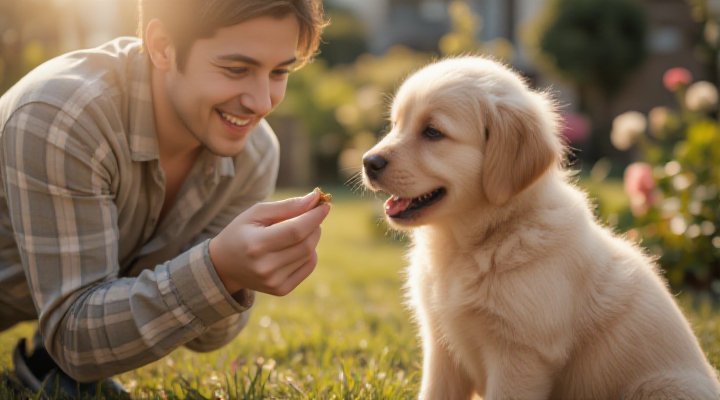
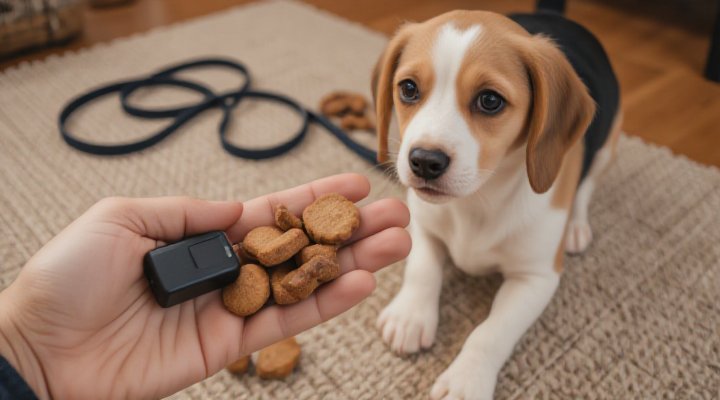
Firstly, gather your tools: high-value treats, a clicker (if you prefer), and a quiet space. Secondly, set clear goals, such as teaching basic commands like ‘sit’ or ‘stay’. Further, keep sessions short—5 to 10 minutes—to maintain your dog’s attention. During this time, use consistent cues and rewards. For instance, say ‘sit’ clearly, and when your dog complies, immediately give a treat and say ‘good dog!’ Subsequently, practice regularly but avoid overtraining, which can lead to frustration. Likewise, incorporate play as a reward, as it reinforces the fun aspect of learning. To clarify, positive reinforcement isn’t just about food; affection and toys work wonders too.
Choosing the Right Rewards for Positive Reinforcement
Rewards are key in how to train a dog with positive reinforcement. Treats should be small, tasty, and easy to consume quickly. For example, use bits of chicken or commercial training treats. But on the other hand, some dogs respond better to praise or a favorite toy. Most importantly, tailor rewards to your dog’s preferences—what motivates one might not work for another. In addition, vary rewards to keep things exciting; this prevents boredom and maintains engagement. Certainly, using high-value treats for challenging tasks can boost success rates, as discussed in our piece on Jinx dog food training rewards strategies.
Step-by-Step Guide to How to Train a Dog with Positive Reinforcement
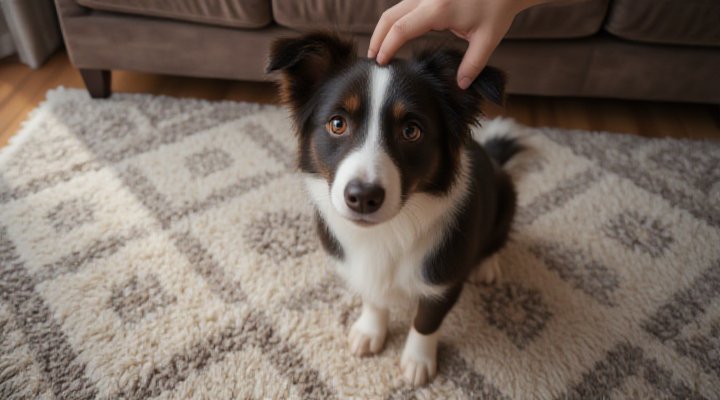
Let’s break down the process into simple steps. Firstly, start with basic commands. For ‘sit’, hold a treat near your dog’s nose and slowly move it upward; as their head follows, their bottom should naturally lower. The moment they sit, say ‘yes!’ or click, and give the treat. Secondly, practice this in different environments to generalize the behavior. Further, move on to ‘stay’ by asking your dog to sit, then taking a step back. If they remain, reward them. Subsequently, increase distance and duration gradually. Meanwhile, always end on a positive note to keep motivation high. In the same vein, for more advanced skills, check out advanced dog training for agility.
Using a Clicker in Positive Reinforcement Training
A clicker can enhance how to train a dog with positive reinforcement by providing a precise marker for desired behavior. To begin, ‘charge’ the clicker by clicking and giving a treat repeatedly, so your dog learns that click means reward. Then, use it to mark exact moments of good behavior, like when their paw touches a target. Consequently, this speeds up learning because the sound is consistent and immediate. For example, I used a clicker to teach Max to ring a bell for potty breaks—it was a game-changer! However, if you forget the clicker, a verbal marker like ‘yes’ works too. Above all, consistency is crucial; always follow the click with a reward.
Common Challenges and Solutions in Positive Reinforcement Dog Training
Sometimes, dogs don’t respond as expected, but don’t worry—this is normal. For instance, if your dog gets distracted, reduce environmental stimuli or use higher-value treats. On the other hand, if they seem stressed, take a break and try again later. Most importantly, avoid punishing mistakes; instead, ignore unwanted behavior and reward the good. In addition, if you’re dealing with a picky eater, explore options from our guide on dog food for picky eaters to find motivating rewards. Likewise, for dogs with sensitivities, limited ingredient dog food for training sensitive dogs can be a lifesaver.
Building Trust and Bond Through Positive Reinforcement
How to train a dog with positive reinforcement goes beyond commands—it’s about strengthening your relationship. By using rewards, you show your dog that you’re a source of good things, which builds trust. For example, regular training sessions become bonding time, filled with laughter and connection. Consequently, this can reduce behavioral issues like separation anxiety. I’ve seen this with Max; our training rituals made him more confident and attached. Moreover, this method fosters a positive environment, as supported by resources like the Humane Society, which advocates for reward-based training to improve pet welfare.
Advanced Techniques in Positive Reinforcement Dog Training
Once basics are mastered, you can advance to tricks like ‘roll over’ or ‘play dead’. Firstly, break complex behaviors into small steps. For ‘roll over’, start with ‘down’, then lure your dog onto their side with a treat, and reward incremental progress. Secondly, use shaping—rewarding closer approximations to the final behavior. Further, incorporate real-life scenarios, such as training your dog to wait at doors. Subsequently, this improves safety and manners. Meanwhile, remember that patience is key; some dogs learn faster than others. In the same vein, for nutritional support during intense training, consider high protein dog food for skill development.
Incorporating Positive Reinforcement into Daily Life
Training doesn’t have to be formal; weave it into everyday activities. For example, reward your dog for calm behavior during meals or for coming when called in the park. Consequently, this reinforces good habits continuously. In other words, make positive reinforcement a lifestyle, not just a session. Additionally, use it to address specific issues, like jumping on guests—reward them for sitting instead. Certainly, this approach is covered in our article on cat training techniques, showing it’s versatile for various pets. Most importantly, keep it fun and unpredictable to sustain interest.

Tips for Long-Term Success with Positive Reinforcement Dog Training
To maintain progress, consistency is vital. Firstly, practice regularly but vary routines to prevent boredom. Secondly, gradually phase out treats by replacing them with intermittent rewards or praise. Further, involve family members to ensure everyone uses the same cues. Subsequently, track your dog’s improvements in a journal or app. Meanwhile, don’t forget to celebrate small victories—they add up! In conclusion, how to train a dog with positive reinforcement is a journey of patience and joy. Similarly, for ongoing learning, explore best pet training methods for more insights. Above all, the bond you build will last a lifetime.
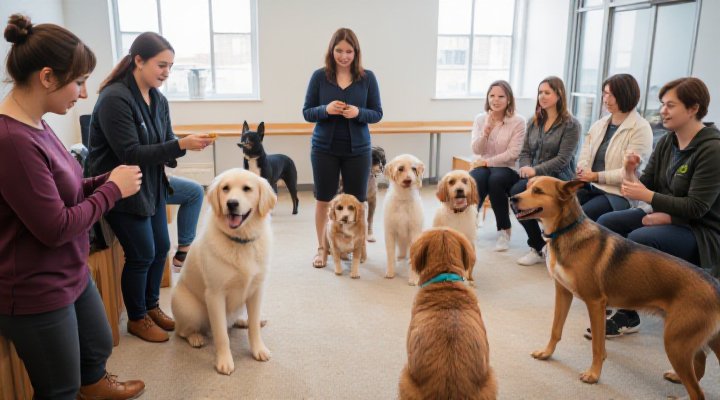
In summary, learning how to train a dog with positive reinforcement is a rewarding process that emphasizes kindness and connection. By using treats, praise, and play, you can teach your dog everything from basic obedience to fun tricks, all while strengthening your bond. Remember, every dog is unique, so adapt these steps to fit your pet’s needs. For further reading, check out authoritative sources like the AVMA for more on animal behavior. Happy training!
Keywords: positive reinforcement dog training, reward-based dog training, how to train a dog with treats, dog training methods, building trust with your dog, effective dog training steps, dog behavior shaping, bonding with your pet, simple dog training tips, dog training for beginners
