In this comprehensive guide, we explore the art of mastering pet training skills, covering everything from foundational obedience to advanced tricks. Whether you’re a new pet owner or looking to refine your techniques, you’ll discover effective methods, common challenges, and how to build a strong bond with your furry friend through positive reinforcement and consistent practice. Above all, developing solid pet training skills can transform your relationship with your pet, making life more enjoyable for both of you.
Understanding the Basics of Pet Training Skills
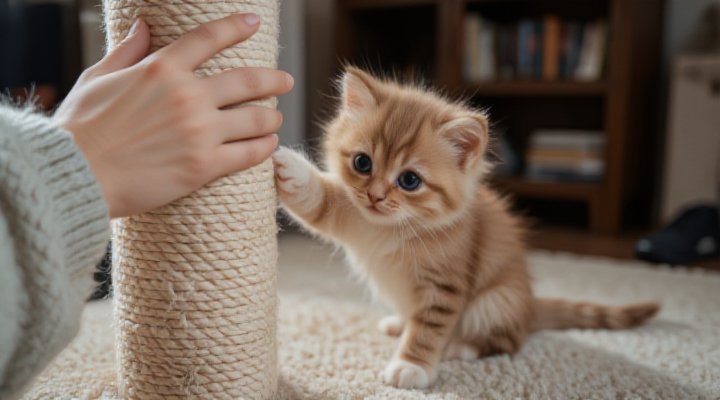
Pet training skills are all about teaching your pets good behavior, obedience, and even fun tricks. For instance, when I first started training my dog, Max, I learned that consistency is key. That is to say, repeating commands and rewards helps pets understand what you want. Consequently, basic skills like sit, stay, and come are essential for safety and harmony. Moreover, using positive reinforcement—such as treats, praise, or play—makes learning enjoyable. In other words, it’s not just about commands; it’s about building trust. Similarly, for cats, training might involve litter box use or scratching post habits, as discussed in our guide on how to train a cat to use a litter box. Most importantly, patience and a calm demeanor are crucial; pets pick up on your emotions, so staying positive enhances their learning.
Essential Techniques for Developing Pet Training Skills
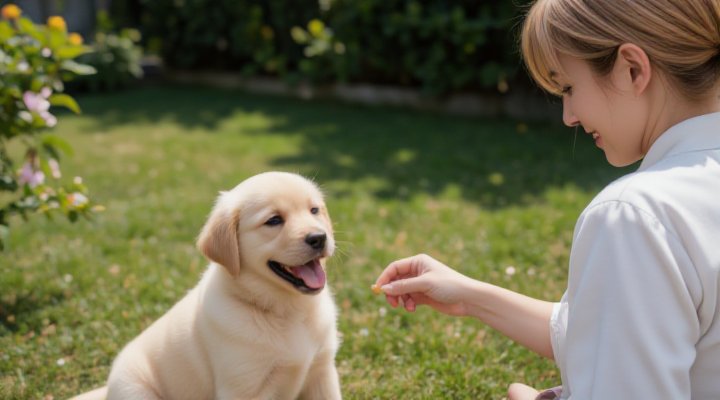
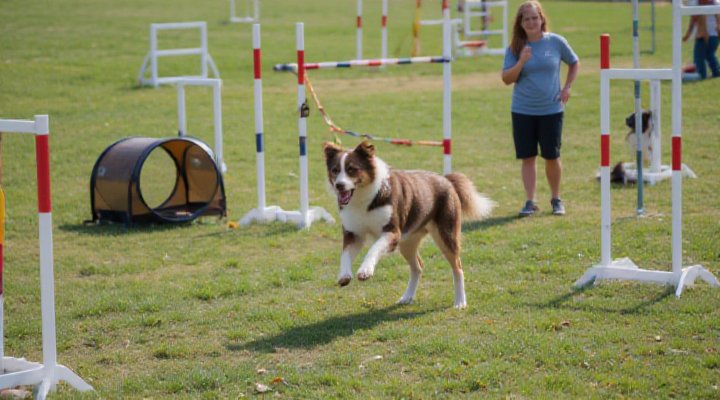
To build effective pet training skills, start with simple steps. Firstly, use clear, consistent cues and rewards. For example, say “sit” while gently guiding your pet, and immediately reward with a treat when they comply. Further, keep sessions short—5 to 10 minutes—to maintain attention. Meanwhile, avoid punishment, as it can lead to fear and anxiety. Instead, focus on redirecting unwanted behaviors. In addition, incorporating play into training can boost engagement; my cat, Luna, loves when I use feather wands to teach her to come when called. Likewise, for dogs, agility exercises can be both fun and skill-building, as highlighted in advanced dog training for agility. Therefore, by mixing methods, you can keep training dynamic and effective.
Positive Reinforcement in Pet Training Skills
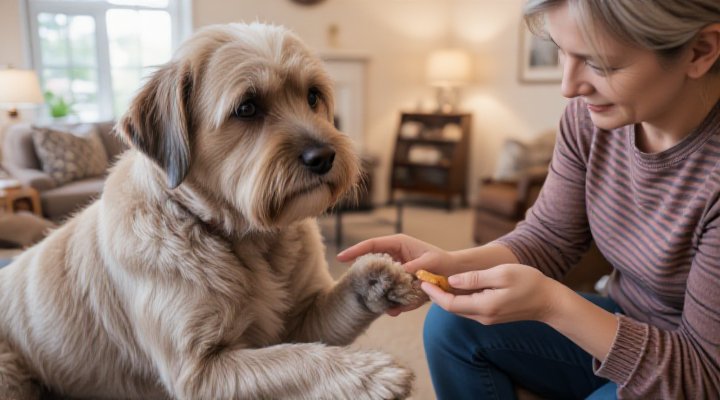
Positive reinforcement is a cornerstone of modern pet training skills. That is to say, rewarding desired behaviors encourages pets to repeat them. For instance, when your dog sits on command, give a small treat or verbal praise. Consequently, this builds a positive association. But, on the other hand, avoid over-treating to prevent weight issues. To clarify, use healthy options or alternate with affection. Moreover, timing is critical; rewards should come immediately after the behavior. In the same vein, for cats, treats like those in Temptations cat treats reviews can be great motivators. Above all, this approach fosters a happy, willing learner.
Advanced Pet Training Skills for Dogs and Cats
Once basics are mastered, you can advance your pet training skills. Further, this includes teaching complex tricks, improving off-leash control, or addressing specific behavioral issues. For example, training a dog to fetch specific items or a cat to high-five requires breaking tasks into small steps. Subsequently, use shaping—rewarding gradual progress—to achieve goals. Meanwhile, socialization is vital; exposing pets to new environments and animals builds confidence. Similarly, our article on best ways to socialize kittens offers great tips. Importantly, advanced skills often involve higher-level communication, so observe your pet’s body language to tailor methods.
Training Small Pets: Expanding Your Skills
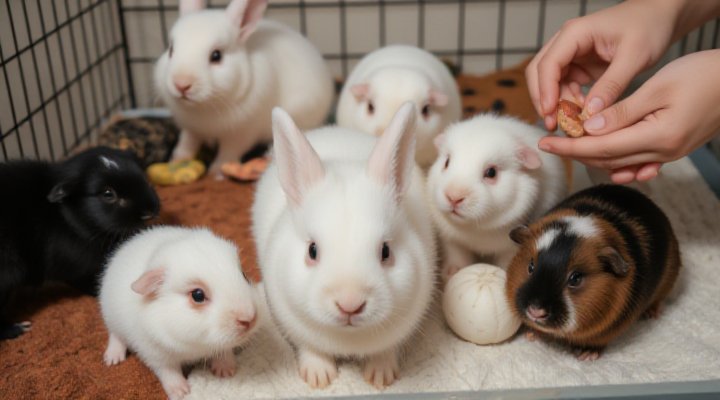
Pet training skills aren’t limited to dogs and cats; small animals like rabbits and guinea pigs can learn too. For instance, they can be trained to come when called or use a litter area. In other words, with patience and tiny rewards, you can shape their behavior. Consequently, this enhances their mental stimulation and bond with you. Moreover, check out training small pets like rabbits and guinea pigs for practical advice. Certainly, it’s a rewarding experience that broadens your understanding of animal behavior.
Common Challenges in Pet Training and How to Overcome Them
Developing pet training skills comes with hurdles. But, however, common issues like distraction, stubbornness, or fear can be managed. For example, if your pet is easily distracted, train in a quiet space first. Consequently, gradually introduce distractions as they improve. On the other hand, for stubborn pets, increase the value of rewards or make training more fun. Meanwhile, fear-based behaviors require gentle desensitization; never force your pet. In addition, seeking professional guidance can help, such as from resources like the American Veterinary Medical Association (avma.org). Most importantly, remember that setbacks are normal; stay consistent and positive.
Senior Pet Training: Adapting Your Skills
Training older pets requires adapting your pet training skills. That is to say, senior dogs or cats may have physical limitations, so keep sessions gentle and short. For instance, focus on low-impact tricks or reinforcing existing commands. Consequently, this helps maintain their cognitive function and quality of life. Moreover, our guide on how to train a senior dog new tricks provides gentle steps. Likewise, be patient and use extra encouragement; aging pets can still learn and enjoy bonding time.
The Role of Nutrition in Enhancing Pet Training Skills
Good nutrition supports pet training skills by keeping pets healthy and focused. In other words, a balanced diet provides energy and mental clarity. For example, high-quality treats can be effective rewards without causing health issues. Consequently, choose options that align with your pet’s needs, such as those discussed in high-protein dog food for training skills. Moreover, proper hydration is crucial, especially for active training sessions. Similarly, the ASPCA (aspca.org) offers great resources on pet nutrition and behavior. Above all, a healthy pet is more receptive to learning, so diet and training go hand in hand.
Building a Lifelong Bond Through Pet Training Skills
Ultimately, pet training skills are about more than obedience; they strengthen the bond between you and your pet. Therefore, consistent, positive interactions build trust and mutual respect. For instance, when you train together, you learn to communicate effectively, reducing misunderstandings. Consequently, this leads to a happier, well-behaved pet. Moreover, it’s a journey of growth for both of you; I’ve found that training my pets has taught me patience and empathy. In conclusion, by investing in these skills, you create a foundation for a loving, lifelong partnership.
In summary, mastering pet training skills involves a mix of basics, advanced techniques, and adaptability. Whether you’re working with dogs, cats, or small pets, the principles of consistency, positive reinforcement, and patience apply. Further, don’t hesitate to explore additional resources and seek advice when needed. Likewise, remember that every pet is unique, so tailor your approach. Most importantly, enjoy the process—it’s a rewarding way to enhance your pet’s life and your own.

Related Keywords: pet training, dog training skills, cat training methods, obedience training, positive reinforcement techniques, animal behavior training, advanced pet tricks, small pet training, senior pet training, bonding with pets through training.
