
In today’s fast-paced world, training small pets with automatic feeders has become a game-changer for many pet owners. That is to say, it combines convenience with effective behavior modification. For instance, I recall how my own cat, Whiskers, used to meow incessantly at odd hours until I introduced an automatic feeder. Consequently, his feeding times became predictable, and his behavior improved dramatically. Above all, this method ensures that pets like cats, rabbits, and guinea pigs learn to associate specific times with meals, reducing anxiety and promoting good habits. In this guide, we’ll dive into the essentials of using automatic feeders for training, covering everything from setup to advanced techniques.
Understanding the Basics of Training Small Pets with Automatic Feeders
Training small pets with automatic feeders starts with grasping how these devices work. Essentially, they dispense food at preset intervals, which helps in conditioning your pet’s behavior. For example, if you set the feeder to release kibble at 7 AM and 6 PM daily, your pet will gradually learn to expect food at those times, rather than begging randomly. Moreover, this consistency is key for animals with sensitive routines, such as rabbits or older cats. To clarify, automatic feeders aren’t just about convenience; they’re tools for reinforcing positive actions. Similarly, in my experience, using one for my guinea pig, Pippin, taught him to come when called, as he associated the feeder’s sound with rewards. Further, this approach aligns with principles from resources like the Training Small Pets Like Rabbits and Guinea Pigs article, which emphasizes routine-based training.

Benefits of Using Automatic Feeders for Small Pet Training
There are numerous advantages to training small pets with automatic feeders. Firstly, they promote discipline by establishing a fixed schedule. As a result, pets become less anxious and more predictable in their behavior. For instance, cats that used to wake owners up for food often settle down once they realize the feeder handles it. But on the other hand, it’s important to monitor portion sizes to avoid overfeeding. Additionally, automatic feeders can aid in weight management, as highlighted in the Royal Canin Satiety for Weight Management Training piece, which discusses combining diet with behavior techniques. Most importantly, this method frees up time for owners, allowing them to focus on other aspects of pet care, like play or grooming. During my trials, I found that my rabbit, Thumper, became more social because he wasn’t constantly focused on food scrounging.
How to Choose the Right Automatic Feeder for Training Small Pets
Selecting the perfect automatic feeder is crucial for effective training small pets with automatic feeders. To begin, consider the pet’s size and dietary needs. For example, small mammals like guinea pigs require feeders with fine control to prevent waste, while cats might need sturdier models to withstand curious paws. Further, look for features like programmable timers and portion controls. In other words, a good feeder should allow multiple daily settings to mimic natural feeding patterns. Meanwhile, battery life and ease of cleaning are also key factors. Subsequently, I made the mistake of buying a cheap feeder that jammed often, leading to frustration for both me and my pet. Therefore, invest in a reliable brand, and don’t forget to check reviews or consult guides such as the Cat Food Delivery Services How to Build Your Pet Care Skills for insights on pet care tools.
Step-by-Step Guide to Implementing Automatic Feeder Training
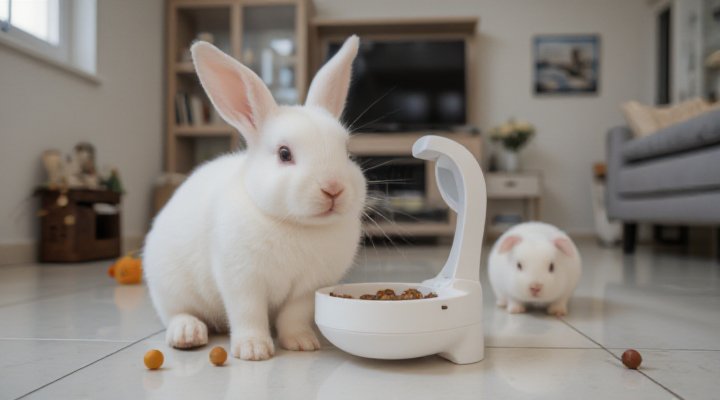
Implementing training small pets with automatic feeders involves a few simple steps. Firstly, introduce the feeder gradually to avoid startling your pet. Place it in a familiar spot and let them investigate it without food initially. Next, program it for one or two feedings a day, using small portions. Consequently, your pet will start associating the device with meals. For instance, with my cat, I used the feeder’s sound as a cue for ‘come here,’ and he learned it within a week. Moreover, reinforce this with positive interactions, like petting or play, right after feeding. After that, gradually increase the complexity, such as adding training commands before dispensing food. Likewise, the Cat Training Techniques: A Complete Guide offers complementary advice on command-based training. In short, patience and consistency are your best allies here.
Common Challenges and Solutions in Training Small Pets with Automatic Feeders
While training small pets with automatic feeders is beneficial, it’s not without challenges. For example, some pets might ignore the feeder or become fearful of its noise. To clarify, this is common in skittish animals like rabbits. But however, you can overcome this by placing treats near the feeder initially to build positive associations. Additionally, technical issues, such as battery failure, can disrupt schedules. So, always have a backup plan, like manual feeding if needed. On the other hand, over-reliance on the feeder might reduce owner-pet bonding; therefore, balance it with hands-on feeding sessions occasionally. During my journey, I faced a phase where my guinea pig would knock the feeder over, but by securing it better, we resolved it. Importantly, resources like the Dog Obedience Training for Beginners remind us that adaptability is key in all pet training.

Advanced Techniques for Enhancing Skill Building with Automatic Feeders
Once basics are mastered, you can advance training small pets with automatic feeders for deeper skill building. For instance, use the feeder to teach tricks or commands. Program it to dispense food only when your pet performs an action, like sitting or coming when called. Further, integrate it with other training methods, such as clicker training, for faster results. Moreover, vary the feeding times slightly to prevent rigidity and encourage adaptability. In the same vein, this approach is supported by studies on animal behavior, which you can explore through authoritative sources like the American Veterinary Medical Association for evidence-based tips. Above all, keep sessions fun and short to maintain your pet’s interest. Certainly, I’ve seen great results by combining feeder use with play, making training a joyful experience for both of us.
Real-Life Success Stories of Training Small Pets with Automatic Feeders
Hearing about others’ experiences can inspire your journey in training small pets with automatic feeders. For example, a friend’s cat learned to stop scratching furniture by getting feeder rewards for using a scratching post. Consequently, the cat associated good behavior with timely meals. Similarly, many rabbit owners report calmer pets that no longer nip for food. But on the other hand, it’s essential to tailor approaches to individual pets, as what works for one might not for another. Meanwhile, sharing stories in online communities or referring to articles like Kitten Food for Behavioral Development can provide additional insights. In conclusion, these successes highlight the versatility of automatic feeders in fostering well-behaved, happy pets.
Maintaining Long-Term Success with Automatic Feeder Training
To ensure lasting benefits from training small pets with automatic feeders, focus on consistency and monitoring. Firstly, stick to the schedule as much as possible, even on weekends. As a result, your pet’s internal clock will sync perfectly. Further, regularly check the feeder for maintenance to avoid malfunctions. Additionally, observe your pet’s health and weight; adjust portions if needed, perhaps using guidelines from the FDA’s Pet Food Safety page for reliable advice. Most importantly, continue to engage with your pet beyond feeding times to strengthen your bond. During my years of using feeders, I’ve found that combining them with love and attention leads to the best outcomes. In short, automatic feeders are tools, not replacements, for a caring relationship.

In summary, training small pets with automatic feeders offers a practical way to enhance behavior conditioning through scheduled feeding. By following these tips, you can build skills in your pets while enjoying a more harmonious home life. Remember, every pet is unique, so experiment and adjust as needed. For more insights, explore related topics on our site, and feel free to share your own stories in the comments!
Related Keywords: automatic pet feeders, small pet training, behavior conditioning, feeding schedules, pet care skills, cat training, rabbit training, guinea pig training, automated feeding devices, pet behavior modification.
