
Pet obedience classes are a fantastic way to bond with your pet while teaching them essential skills. In other words, these sessions provide structured learning that can transform your furry friend into a well-mannered companion. Above all, choosing the right program is key to success. For instance, I recall when I first enrolled my dog, Max, in a local class—it was a game-changer for his behavior and our relationship. Similarly, many pet owners find that obedience training reduces behavioral issues and strengthens the human-animal bond. Consequently, in this article, we’ll dive into how to select the best pet obedience classes for your needs, covering everything from types of sessions to trainer qualifications. Moreover, we’ll include tips from experts and real-life examples to guide you. To sum up, whether you have a puppy or an older pet, this guide will help you make an informed decision.
Understanding Pet Obedience Classes and Their Benefits
Pet obedience classes are designed to teach basic commands like sit, stay, and come, as well as good manners such as not jumping on guests. That is to say, these classes focus on positive reinforcement to encourage desired behaviors. For example, using treats and praise can make learning fun for your pet. Most importantly, obedience training enhances socialization by exposing pets to other animals and people in a controlled environment. As a result, pets often become more confident and less anxious. Additionally, these classes can address common issues like barking or leash pulling. In the same vein, they provide a foundation for more advanced training, such as agility or therapy work. Therefore, investing in pet obedience classes can lead to a happier, safer home life.
Types of Pet Obedience Classes: Group vs. Private Sessions
When considering pet obedience classes, you’ll often choose between group and private settings. Group classes, for instance, involve multiple pets and owners learning together in a social atmosphere. This can be great for socialization, as pets interact with others. On the other hand, private sessions offer one-on-one attention, which might be better for pets with specific behavioral challenges or anxiety. For example, if your dog is easily distracted, a private class could provide focused training. Meanwhile, group classes are usually more affordable and foster a sense of community. Further, some programs combine both approaches for flexibility. To clarify, assess your pet’s personality and needs—a shy pet might thrive in private sessions initially. Likewise, check out our guide on Dog Obedience Training for Beginners for more insights on starting out.

Key Factors to Consider When Choosing Pet Obedience Classes
Selecting the right pet obedience classes involves several important factors. Firstly, look at the trainer’s credentials and experience. Certified trainers, such as those with certifications from organizations like the Certification Council for Professional Dog Trainers, often provide higher quality instruction. Secondly, consider the class size and environment. Smaller classes allow for more individual attention, while larger ones offer more socialization opportunities. Additionally, evaluate the training methods used—positive reinforcement is widely recommended for its effectiveness and kindness. For instance, avoid classes that rely on punishment, as this can harm your pet’s well-being. Moreover, check reviews and ask for recommendations from other pet owners. Subsequently, visit the facility if possible to ensure it’s clean and safe. Most importantly, align the class with your pet’s age, breed, and temperament. In other words, a puppy class might focus on basics, while an adult dog class could address specific issues. Consequently, taking these steps will help you find a program that suits your pet perfectly.
Assessing Trainer Qualifications and Methods
Trainer qualifications are crucial in pet obedience classes. Look for certifications, such as CPDT-KA, which indicate professional knowledge. Furthermore, inquire about their experience with your pet’s species or breed. For example, some trainers specialize in dogs, while others work with cats or small pets. Importantly, ensure they use humane, science-based methods like positive reinforcement. That is to say, rewards-based training builds trust and avoids fear. On the other hand, be wary of trainers who use aversive techniques, as these can lead to behavioral problems. Additionally, ask about their approach to socialization and discipline. To clarify, a good trainer will tailor methods to individual pets. Likewise, our article on Best Pet Training Methods offers more details on effective approaches.

The Role of Socialization in Pet Obedience Classes
Socialization is a key component of pet obedience classes, helping pets learn to interact positively with others. In group settings, pets meet new animals and people, which reduces fear and aggression. For instance, a well-socialized dog is less likely to bark or lunge at strangers. Moreover, socialization in classes can prevent future behavioral issues. Meanwhile, it’s important to start early, especially for puppies, as this is a critical period for development. Further, supervised interactions ensure safety and positive experiences. Consequently, pets that attend obedience classes often exhibit better behavior in public places. In the same vein, consider combining training with other socialization activities, like visits to dog parks. Above all, a balanced approach fosters a well-rounded pet. For more tips, see our piece on Best Ways to Socialize Kittens, which applies to other pets too.
Basic Commands Taught in Obedience Training
Pet obedience classes typically cover essential commands that form the foundation of good behavior. These include sit, stay, come, down, and heel. For example, ‘sit’ is often the first command taught, as it’s useful for controlling excitement. Additionally, ‘stay’ helps in situations where safety is a concern, like near roads. That is to say, mastering these commands improves daily life and strengthens the bond between pet and owner. Moreover, consistent practice at home reinforces what’s learned in class. Subsequently, many classes progress to more advanced skills based on the pet’s progress. Importantly, use positive reinforcement to make learning enjoyable. Likewise, integrating training with diet can enhance results—check out Cat Food Training for ideas on using nutrition in training.
How to Prepare Your Pet for Obedience Classes
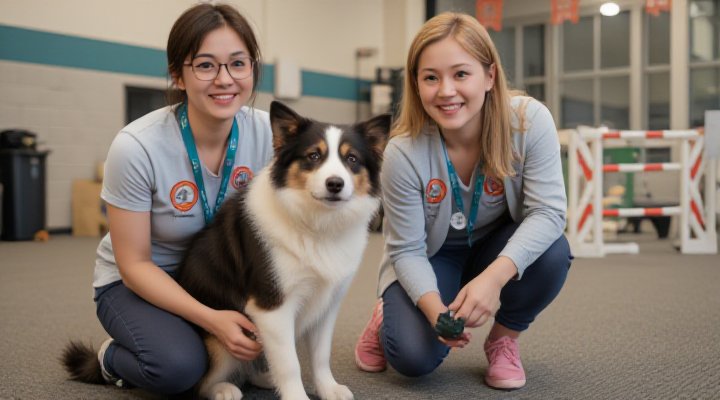
Preparing your pet for obedience classes can set them up for success. Firstly, ensure they are healthy and up-to-date on vaccinations, as required by most facilities. Secondly, familiarize them with basic handling, like touching their paws or ears, to reduce stress during training. For instance, practice short sessions at home to build focus. Meanwhile, bring necessary supplies to class, such as treats, a leash, and water. Further, arrive early to allow your pet to acclimate to the environment. Consequently, this reduces anxiety and makes the experience positive. Additionally, set realistic expectations—not all pets learn at the same pace. Most importantly, stay patient and consistent. In other words, your attitude greatly influences your pet’s response. Therefore, preparation helps maximize the benefits of pet obedience classes.
Common Challenges in Pet Obedience Classes and How to Overcome Them
While pet obedience classes are beneficial, challenges can arise. For example, some pets may be distracted or fearful in group settings. To address this, start with private sessions or choose smaller classes. On the other hand, if your pet isn’t responding to commands, the trainer might need to adjust techniques. Moreover, consistency at home is key—practice regularly to reinforce learning. Subsequently, communicate openly with the trainer about any issues. That is to say, collaboration ensures tailored solutions. Additionally, behavioral problems like aggression may require specialized training beyond basic classes. In such cases, seek advice from professionals or resources like the American Veterinary Society of Animal Behavior, which offers evidence-based guidelines. Likewise, our article on Training Senior Dogs provides insights for older pets with unique needs.

Evaluating the Success of Pet Obedience Classes
After enrolling in pet obedience classes, it’s important to assess progress. Look for improvements in behavior, such as better response to commands or reduced anxiety. For instance, if your pet now sits calmly when guests arrive, that’s a sign of success. Moreover, observe their socialization skills—are they interacting positively with other pets? Further, track consistency in following commands at home and in public. Consequently, this helps identify areas needing more work. Additionally, seek feedback from the trainer on your pet’s development. Most importantly, celebrate small victories to keep motivation high. In other words, success isn’t just about perfection but gradual improvement. Therefore, regular evaluation ensures that the classes are meeting your goals.
Integrating Obedience Training with Daily Life
To make the most of pet obedience classes, integrate training into daily routines. For example, practice commands during walks or meal times. This reinforces learning and makes it a natural part of life. Moreover, use training moments to strengthen your bond—positive interactions build trust. Meanwhile, involve family members to ensure consistency. Further, combine training with other aspects of pet care, like nutrition. For instance, using high-quality treats as rewards can support overall health. Subsequently, this holistic approach enhances results. Likewise, explore resources like the Humane Society’s guide on choosing a trainer for additional tips. In conclusion, consistency and integration are key to long-term success in obedience training.
Conclusion: Making the Most of Pet Obedience Classes
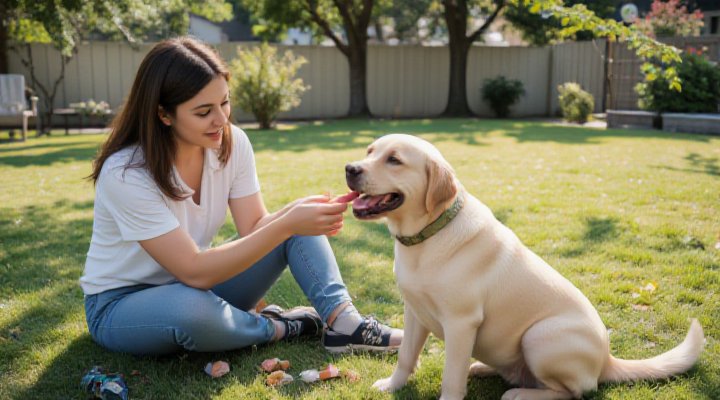
In summary, pet obedience classes offer a structured path to better behavior and stronger bonds. By choosing the right program, focusing on positive methods, and practicing consistently, you can help your pet thrive. Remember, every pet is unique, so be patient and adaptable. Whether you opt for group or private sessions, the investment in training pays off in a happier, well-behaved companion. For more guidance, browse our site’s Skill Building category for articles like Cat Training Techniques to continue your pet’s education.
Keywords: pet obedience classes, dog training, puppy obedience, pet behavior, training programs, obedience training, pet socialization, basic commands, group training, private training, positive reinforcement, trainer qualifications, socialization, behavioral challenges.
