
If you’ve ever seen your furry friend struggle with tummy troubles, you know how heart-wrenching it can be. From occasional upset stomachs to more persistent issues, digestive problems in dogs are no joke. That’s where Purina HA dog food for sensitive stomachs comes into play. This specialized diet is designed to soothe those sensitive systems, using hypoallergenic ingredients that aid digestion and reduce food intolerances. In other words, it’s like a gentle hug for your dog’s gut! In this article, we’ll dive deep into how Purina HA can help manage your dog’s digestive issues, share some personal anecdotes, and provide practical tips to keep your pup happy and healthy. So, grab a cup of coffee, and let’s get started on this journey to better digestive health for your canine companion.
Understanding Sensitive Stomachs in Dogs
First and foremost, what exactly does a sensitive stomach mean for dogs? Essentially, it refers to a condition where a dog’s digestive system is easily upset by certain foods, leading to symptoms like vomiting, diarrhea, gas, or bloating. For instance, my own dog, Max, used to have episodes where he’d turn his nose up at dinner or have messy accidents after eating certain brands. It was frustrating and worrisome, but I learned that he wasn’t alone. Many dogs experience this, and it can stem from various causes such as food allergies, intolerances, or even stress. Above all, identifying the root cause is key to finding the right solution. That’s where hypoallergenic options like Purina HA dog food for sensitive stomachs shine, as they’re formulated to minimize triggers. Similarly, if you’re dealing with a picky eater or allergy-prone pup, you might find our guide on dog food for picky eaters helpful for additional insights.
What Makes Purina HA Dog Food Unique for Sensitive Stomachs?
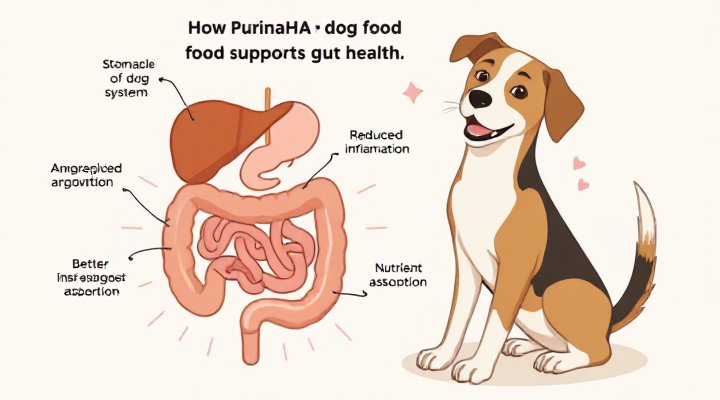
Now, let’s talk about why Purina HA dog food for sensitive stomachs stands out. This formula is specifically engineered with hydrolyzed protein, which means the proteins are broken down into smaller molecules that are less likely to trigger allergic reactions. In other words, it’s like pre-digesting the food to make it easier on your dog’s system. Additionally, it contains easily digestible carbohydrates and essential nutrients that support overall health. For example, the hypoallergenic nature of Purina HA helps reduce inflammation in the gut, promoting better digestion and absorption. I remember when I switched Max to this food; within a few weeks, his episodes decreased significantly, and he seemed more energetic. Most importantly, Purina HA is backed by scientific research, ensuring it meets high standards for safety and efficacy. Consequently, if your dog has been diagnosed with food sensitivities, this could be a game-changer. Moreover, for those exploring other dietary options, check out our article on hypoallergenic dog food solutions to compare different products.

Key Benefits of Using Purina HA Dog Food
When it comes to benefits, Purina HA dog food for sensitive stomachs offers a multitude of advantages. Firstly, it helps reduce food intolerances by eliminating common allergens like beef, chicken, or soy. That is to say, your dog can enjoy meals without the risk of adverse reactions. Secondly, the hypoallergenic ingredients aid in digestion, leading to fewer stomach upsets and more consistent bowel movements. For instance, after starting Purina HA, Max’s digestion became so regular that I could almost set my watch by his potty breaks! Further, this food supports skin and coat health, as a healthy gut often translates to a shinier coat. Meanwhile, the balanced nutrition ensures your dog gets all the vitamins and minerals needed for vitality. Certainly, many pet owners report improved energy levels and overall well-being in their dogs. Therefore, if you’re looking for a reliable option, Purina HA is worth considering. Additionally, for tips on combining diet with training, our piece on managing digestive issues while training provides great complementary advice.
How to Transition Your Dog to Purina HA Dog Food
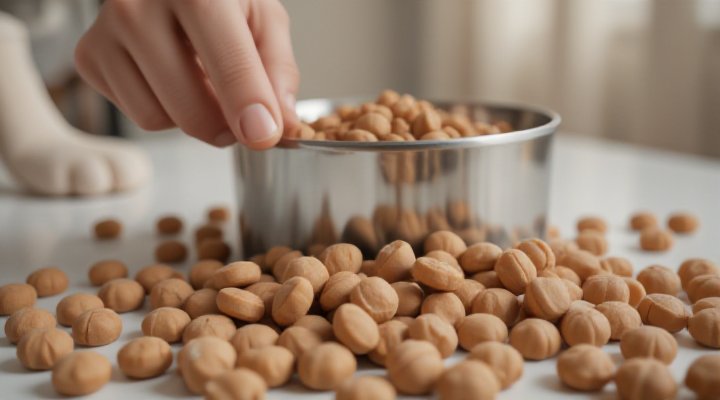
Transitioning to a new food can be tricky, but with Purina HA dog food for sensitive stomachs, it’s all about taking it slow. Firstly, start by mixing a small amount of Purina HA with your dog’s current food. For example, begin with a 25% new food to 75% old food ratio. Subsequently, over the next 7-10 days, gradually increase the proportion of Purina HA while decreasing the old food. This slow introduction helps your dog’s digestive system adjust without shock. During this period, monitor your dog closely for any signs of discomfort, such as changes in appetite or stool. On the other hand, if you notice improvements, that’s a great sign! I recall when I transitioned Max; he was a bit hesitant at first, but by day five, he was gobbling it up like a champ. Most importantly, always consult your veterinarian before making any dietary changes, especially if your dog has underlying health issues. Likewise, for more general guidance, the FDA’s pet food safety resources offer valuable information on safe feeding practices.

Common Signs Your Dog Needs a Sensitive Stomach Formula
Recognizing when your dog might benefit from Purina HA dog food for sensitive stomachs is crucial. Common signs include frequent vomiting, diarrhea, excessive gas, or a lack of appetite. In other words, if your dog seems uncomfortable after meals, it could indicate a sensitivity. For instance, Max would often lick his lips or pace around after eating certain foods, which was a clear red flag. Additionally, skin issues like itching or redness can sometimes be linked to digestive problems, as the gut and skin are interconnected. But, however, not all stomach issues are food-related; stress or infections can also play a role. That’s why it’s essential to rule out other causes with your vet. Above all, keeping a food diary can help track patterns and identify triggers. So, if you notice these symptoms, discussing Purina HA with your veterinarian might be the next step. Further, for a deeper dive into allergy management, our article on allergy management skills explores similar themes.
Comparing Purina HA to Other Sensitive Stomach Dog Foods
When evaluating options, how does Purina HA dog food for sensitive stomachs stack up against competitors? Well, it’s known for its hydrolyzed protein formula, which sets it apart from many other brands that use novel proteins or limited ingredients. For example, while some foods might use lamb or duck as alternatives, Purina HA’s hydrolyzed approach reduces the risk of new allergies developing. In the same vein, it’s often recommended by veterinarians for dogs with confirmed food intolerances. On the other hand, brands like Nature’s Menu or limited ingredient diets can be effective for mild sensitivities, but they might not address severe cases as comprehensively. During my research, I found that Purina HA consistently receives positive feedback for its palatability and results. Consequently, if your dog has tried other foods without success, this could be the solution. Moreover, for authoritative insights, the AVMA’s pet nutrition guidelines provide a solid foundation for making informed choices.
Tips for Managing Your Dog’s Digestive Health Long-Term
Beyond just feeding Purina HA dog food for sensitive stomachs, there are other ways to support your dog’s digestive health. Firstly, ensure your dog has access to fresh water at all times, as hydration is key for digestion. Secondly, incorporate regular exercise to promote gut motility and reduce stress. For instance, daily walks helped Max stay relaxed and regular. Additionally, avoid giving table scraps or high-fat treats, which can upset sensitive stomachs. Meanwhile, consider probiotics or supplements if recommended by your vet, as they can bolster gut flora. Certainly, maintaining a consistent feeding schedule also helps regulate digestion. I’ve found that feeding Max at the same times each day made a big difference. Therefore, combining Purina HA with these habits can lead to lasting improvements. In conclusion, a holistic approach is best for managing digestive issues. Likewise, for more on training and health, our guide on dog obedience training offers tips that complement dietary efforts.

Real-Life Success Stories with Purina HA Dog Food
Hearing from other pet owners can be incredibly reassuring when considering Purina HA dog food for sensitive stomachs. For example, one friend shared how her senior dog, Bella, had struggled for years with chronic diarrhea until switching to Purina HA. Within a month, Bella’s symptoms vanished, and she regained her playful spirit. Similarly, online reviews often highlight how dogs with severe allergies have thrived on this diet. That is to say, the proof is in the pudding—or in this case, the kibble! During my own journey, seeing Max transform from a gassy, unhappy pup to a vibrant companion was priceless. Most importantly, these stories underscore the importance of finding the right food for your dog’s unique needs. So, if you’re on the fence, don’t hesitate to give it a try under veterinary guidance. In short, Purina HA has helped countless dogs live happier, healthier lives.
In summary, Purina HA dog food for sensitive stomachs is a powerful tool for managing digestive issues in dogs. With its hypoallergenic ingredients and scientifically backed formula, it can reduce food intolerances and promote better digestion. By following the tips outlined here, such as gradual transitions and holistic health practices, you can help your dog achieve optimal wellness. Remember, every dog is different, so patience and consistency are key. We hope this guide has been helpful, and we’d love to hear your stories in the comments!
Related Keywords: Purina HA dog food, sensitive stomach dog food, hypoallergenic dog food, dog digestive issues, managing dog stomach sensitivity, Purina HA formula, dog food for intolerances, digestive health for dogs, hydrolyzed protein dog food, vet-recommended dog food for sensitive stomachs.
