Summary: Choosing the right diet dog food is crucial for your furry friend’s weight management and overall well-being. This comprehensive guide covers key factors like ingredient quality, calorie control, and tailored nutrition, providing a step-by-step approach to help you make informed decisions. By understanding how to choose diet dog food, you can support your dog’s health journey effectively and safely.
Understanding the Basics of How to Choose Diet Dog Food
When it comes to picking the perfect diet for your dog, it’s not just about cutting calories—it’s about ensuring they get the nutrients they need to thrive. I remember when my own dog, Max, started packing on the pounds after too many treat-filled days; that’s when I realized how vital it is to learn how to choose diet dog food wisely. Firstly, consider your dog’s age, breed, and activity level. For instance, a senior dog might need different nutrients compared to a playful puppy. Similarly, if you’re dealing with a picky eater, our guide on dog food for picky eaters can offer additional tips. Above all, the goal is to support weight loss without sacrificing health, so always prioritize balanced nutrition.

Key Factors in Selecting Diet Dog Food
To make an informed choice, focus on several critical aspects. For example, ingredient quality is paramount—look for whole proteins like chicken or fish as the first ingredient, and avoid fillers such as corn or soy. That is to say, high-quality ingredients provide essential nutrients while keeping calories in check. Moreover, calorie content should align with your dog’s needs; an overweight dog might require a formula with fewer calories but more fiber to promote satiety. Additionally, consider specific health issues; if your dog has allergies, exploring dog food for allergies can be beneficial. Likewise, for sensitive stomachs, our article on Nature’s Menu for sensitive stomachs provides great insights. Most importantly, consult reliable sources like the AVMA pet nutrition guidelines for expert advice.
Evaluating Ingredients and Nutritional Value
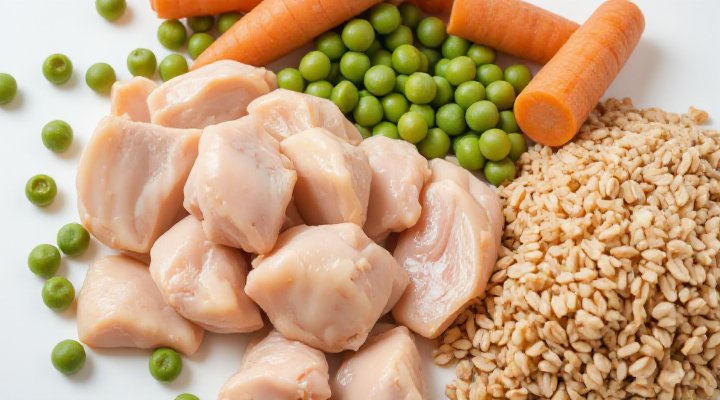
Let’s dive deeper into ingredients. A good diet dog food should list real meat, vegetables, and whole grains prominently. In other words, avoid artificial preservatives and colors, as they can harm your dog’s health over time. For instance, I once switched Max to a brand with natural ingredients, and his energy levels soared! Further, check for added vitamins and minerals to support overall wellness. If you’re unsure, our piece on Pet Fresh dog food reviews breaks down ingredient analyses. Consequently, by focusing on nutrition, you ensure your dog loses weight safely.
Calorie Control and Portion Management
Calories play a huge role in weight management. But, however, it’s not just about feeding less—it’s about feeding smart. Start by calculating your dog’s daily calorie needs based on their ideal weight; you can use online calculators or ask your vet. Subsequently, measure portions accurately to avoid overfeeding. Meanwhile, incorporate low-calorie treats or use part of their meal as rewards during training. For more on training with healthy options, check out Jinx dog food training rewards. Therefore, consistent portion control helps maintain a healthy weight without hunger.
Step-by-Step Guide to How to Choose Diet Dog Food
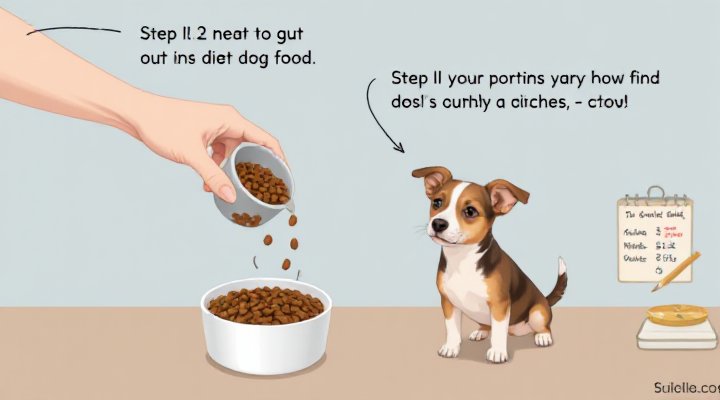
Now, let’s walk through a practical step-by-step process. Firstly, assess your dog’s current health and weight with a vet—this sets a baseline. Secondly, research brands that specialize in weight management, reading reviews and ingredient lists. After that, compare options based on protein content, fiber levels, and calorie density. For example, high-protein diets can aid muscle retention during weight loss, as discussed in high-protein dog food benefits. Next, introduce the new food gradually to avoid digestive upset. Finally, monitor your dog’s progress and adjust as needed. In conclusion, this methodical approach reduces guesswork and promotes success.

Consulting with Professionals
Never underestimate the value of expert advice. A veterinarian can provide personalized recommendations based on blood tests or health history. Similarly, pet nutritionists offer tailored diet plans. I found that discussing Max’s diet with our vet made a world of difference—it turned a confusing task into a clear path. Additionally, refer to authoritative sites like the FDA’s pet food safety page for updates on regulations. Thus, combining professional input with your research ensures the best outcome.
Common Mistakes to Avoid When Choosing Diet Dog Food
Even with good intentions, it’s easy to slip up. For instance, don’t fall for marketing gimmicks like ‘grain-free’ unless medically necessary, as some studies link them to heart issues. On the other hand, avoid drastic calorie cuts that could lead to malnutrition. Likewise, skipping regular vet check-ups can hide underlying problems. To clarify, always transition foods slowly over 7-10 days to prevent stomach issues. If you need help with transitions, our guide on raw dog food delivery includes tips. So, by steering clear of these pitfalls, you keep your dog safe and healthy.
Monitoring and Adjusting the Diet Over Time
Choosing the food is just the beginning; ongoing monitoring is key. Weigh your dog monthly to track progress, and adjust portions if weight loss stalls or goes too fast. Moreover, observe their energy, coat condition, and overall happiness. For example, if Max seemed lethargic, I knew to tweak his diet. In the same vein, seasonal changes might require calorie adjustments. Further, incorporate exercise and training to boost results—our article on dog obedience training can complement diet efforts. As a result, this dynamic approach ensures long-term health.
Success Stories and Final Thoughts
Seeing your dog transform is incredibly rewarding. I’ve heard from many pet parents who, by learning how to choose diet dog food, helped their dogs shed excess weight and gain vitality. In short, it’s a journey of love and care. Remember, every dog is unique, so patience and persistence pay off. To sum up, focus on quality ingredients, proper calories, and professional guidance to make the best choice. Your furry friend will thank you with wagging tails and good health!

Related Keywords: diet dog food selection, weight management dog food, low calorie dog food, healthy dog diet, dog food ingredients, pet nutrition guide, dog weight loss tips.
