Welcome to our comprehensive guide on the best dog training methods for all breeds and ages. Whether you’ve just brought home a new puppy or are working with an older dog, proper training is essential for a happy, well-adjusted pet. In this article, we’ll cover everything from basic obedience to advanced techniques, all using positive, science-based methods.

Understanding the Foundations of Best Dog Training
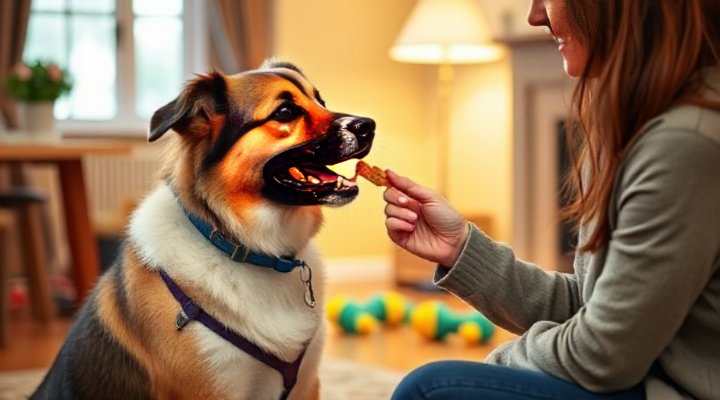
Before diving into specific techniques, it’s important to understand the core principles of effective dog training. Positive reinforcement, which involves rewarding desired behaviors, has been proven to be the most effective and humane method according to experts at the American Veterinary Society of Animal Behavior.
Consistency is another crucial element. Dogs thrive on routine and clear expectations. As I learned with my own rescue dog, Max, establishing consistent commands and rewards made all the difference in his training progress.
Basic Obedience: The Building Blocks
Every dog should master these fundamental commands as part of their best dog training regimen:
- Sit: The foundation for all other commands
- Stay: Essential for safety and control
- Come: Potentially life-saving recall command
- Leave it: Prevents picking up dangerous items
- Heel: Makes walks more enjoyable
For more detailed instructions on teaching these commands, check out our guide on Basic Dog Commands.
Puppy-Specific Training Considerations
Puppies have special training needs due to their developmental stage. According to the American Kennel Club, the critical socialization period occurs between 3-14 weeks of age. During this time, expose your puppy to various people, animals, and environments in positive ways.

Intermediate Training Techniques
Once your dog has mastered basic commands, you can move on to more advanced skills. These might include:
- Extended duration stays
- Distance commands
- Polite leash walking
- Reliable recall in distracting environments
Our article on The Ultimate Guide to Dog Training at Home offers excellent tips for progressing to these intermediate skills.
Advanced Training Options
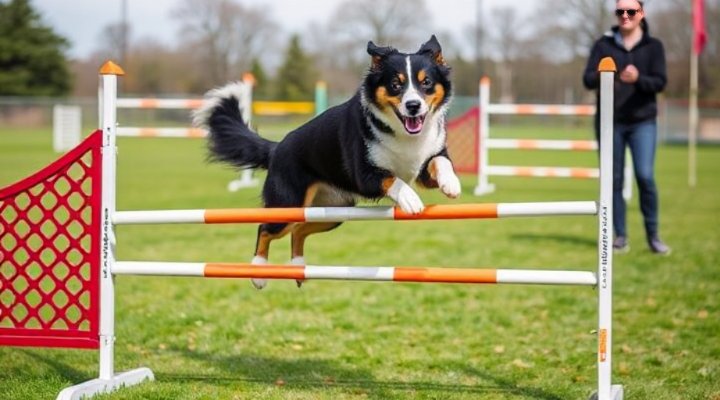
For dogs (and owners!) who enjoy challenges, consider these advanced training areas:
- Agility training
- Service dog tasks
- Therapy work
- Scent detection
- Trick training
Even senior dogs can learn new tricks, as I discovered with my 10-year-old Labrador who took up nose work. For breed-specific guidance, our Golden Retriever Training Guide offers specialized advice.

Troubleshooting Common Training Challenges
Every dog training journey encounters obstacles. Here are solutions to common issues:
Distraction Problems
Start training in low-distraction environments and gradually increase difficulty. If your dog struggles with focus, try higher-value treats or shorter sessions.
Stubborn Behavior
Some breeds are more independent than others. Be patient, keep sessions positive, and consider consulting a professional if needed. Our guide on Creating a Training-Friendly Environment can help set you up for success.
Maintaining Training Long-Term
Training isn’t a one-time event but an ongoing process. Incorporate short practice sessions into daily routines, and continue challenging your dog with new skills appropriate for their age and ability.
Remember, the best dog training methods are those that strengthen your bond with your pet while achieving desired behaviors. With patience, consistency, and positive reinforcement, you can help your dog become the best version of themselves.
Related Keywords: dog obedience training, puppy training schedule, positive reinforcement dog training, how to train a dog, professional dog training techniques
