
Positive reinforcement dog training has revolutionized how we build relationships with our canine companions. Unlike traditional methods that focus on punishment, this approach emphasizes rewarding good behavior, creating a happier learning experience for both you and your dog. In fact, studies from the American Veterinary Society of Animal Behavior show that positive reinforcement is not only more effective but also strengthens the human-animal bond.

The Science Behind Positive Reinforcement Dog Training
At its core, positive reinforcement works because it taps into your dog’s natural learning processes. When your dog performs a desired behavior and receives something they value immediately afterward, their brain makes a positive association. This could be a tasty treat, a favorite toy, or even enthusiastic praise. Over time, this method shapes your dog’s behavior without creating fear or anxiety that can come with punishment-based techniques.
For example, when teaching ‘sit,’ you would:
- Wait for your dog to sit naturally (or gently guide them into position)
- Immediately say “yes!” or use a clicker
- Follow with a high-value reward
- Repeat this sequence consistently
Essential Tools for Reward-Based Training
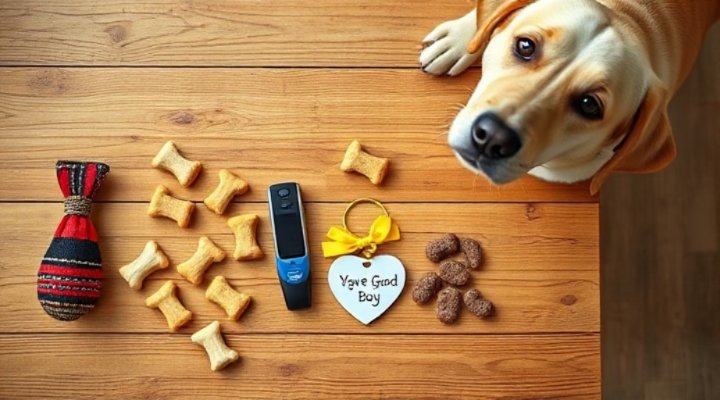
While positive reinforcement dog training doesn’t require expensive equipment, having the right tools can make the process smoother. Here are some essentials:
- High-value treats: Small, soft treats that your dog loves. As mentioned in our Ultimate Guide to Dog Training at Home, these should be reserved for training sessions.
- Clicker: A small device that makes a consistent sound to mark the exact moment your dog performs correctly.
- Patience and consistency: Perhaps the most important ‘tools’ of all!
Timing is Everything
In positive reinforcement dog training, the timing of your reward is crucial. The reward must come within 1-2 seconds of the desired behavior for your dog to make the connection. This immediate feedback helps your dog understand exactly what earned them the treat or praise.
Common Challenges and Solutions
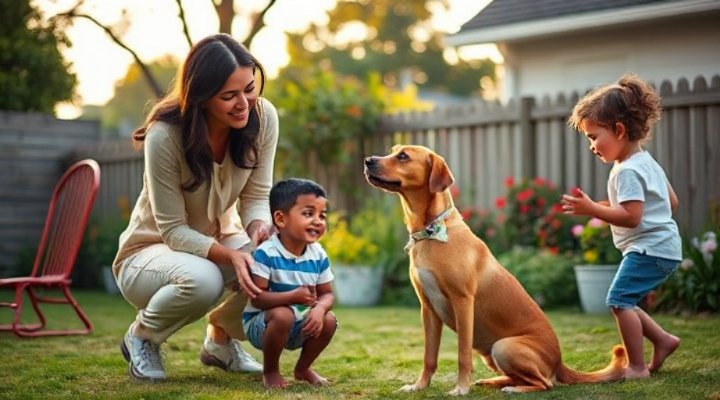
While positive reinforcement is highly effective, you might encounter some hurdles along the way. Here’s how to handle common scenarios:
| Challenge | Solution |
|---|---|
| Dog only responds when treats are visible | Gradually phase out constant treats by switching to variable reinforcement (rewarding randomly) |
| Dog gets too excited during training | Use lower-value rewards or break sessions into shorter segments |
| Progress seems slow | Break behaviors into smaller steps and celebrate small victories |
Remember, every dog learns at their own pace. Our Golden Retriever Training Guide offers breed-specific tips that can be adapted to any dog.
Advanced Positive Reinforcement Techniques
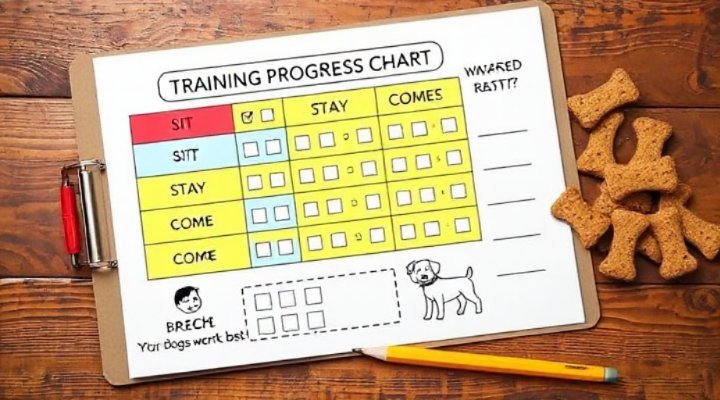
Once you’ve mastered the basics, you can explore more sophisticated positive reinforcement dog training methods:
- Shaping: Rewarding successive approximations toward the final behavior
- Capturing: Waiting for the behavior to occur naturally and marking/rewarding it
- Chaining: Linking multiple behaviors together into a sequence
These techniques are particularly useful for teaching complex behaviors or tricks. The American Kennel Club offers excellent resources on advanced training methods.

Positive Reinforcement for Different Life Stages
Positive reinforcement dog training works at any age, but your approach might vary:
Puppies
Young dogs have short attention spans but learn quickly. Keep sessions brief (5-10 minutes) and focus on foundational behaviors like sit, stay, and coming when called. Our Puppy Crate Training Tips complement positive reinforcement well.
Adult Dogs
Older dogs might need to unlearn bad habits, but they can absolutely learn new ones! Be patient and consistent.
Senior Dogs
While they might move slower, older dogs still enjoy mental stimulation. Adjust exercises to their physical capabilities.
Positive reinforcement dog training isn’t just about obedience—it’s about building a language of mutual understanding and respect with your canine companion. By focusing on what your dog does right rather than punishing mistakes, you create a happier, more confident dog who’s eager to learn.
Related Keywords: reward-based dog training, positive dog training methods, clicker training for dogs, how to train a dog with treats, science-based dog training, effective dog training techniques, building bond with dog through training
