Mastering The Key Steps In Parrot Behavior Training
Parrots are intelligent, social creatures, but they can also develop behavioral issues if not properly trained. At Pet Training, we understand the challenges of parrot behavior training and are here to guide you through the process. Whether you’re dealing with screaming, biting, or feather plucking, our proven methods will help you create a happy, well-behaved parrot.
Understanding Your Parrot’s Behavior
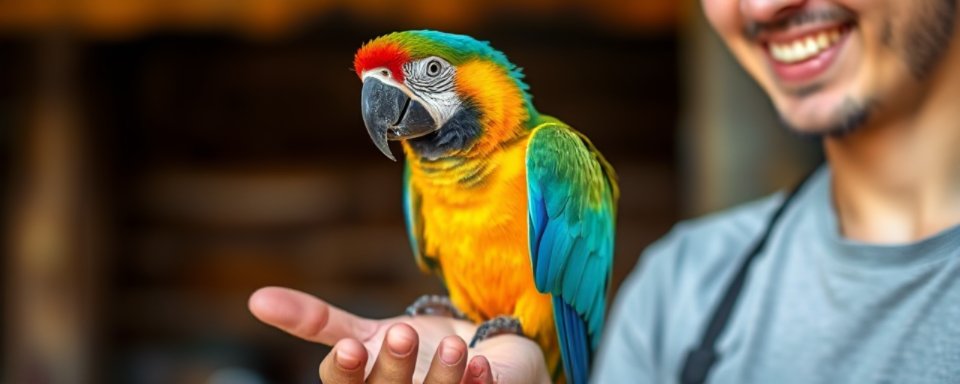
Before diving into training, it’s essential to understand why your parrot behaves the way it does. Parrots are highly social animals, and many behavioral issues stem from boredom, lack of stimulation, or unmet social needs. For example, screaming might be a cry for attention, while biting could be a sign of fear or territorial behavior.
I remember my first parrot, Mango, who used to scream every time I left the room. It wasn’t until I learned about parrot behavior training that I realized he was simply lonely. By providing more interaction and mental stimulation, Mango’s screaming reduced significantly.
Building Trust and Bonding
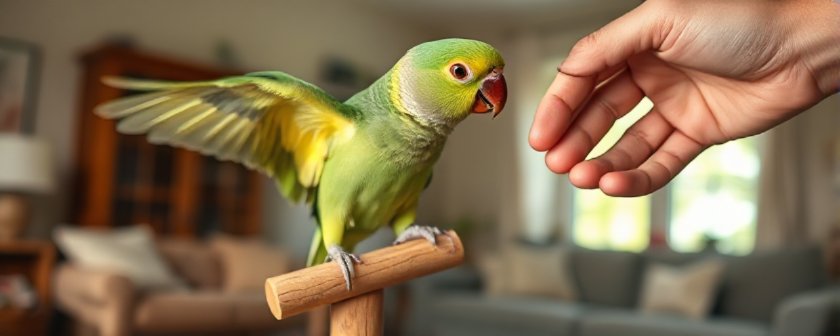
The foundation of successful parrot behavior training is trust. Start by spending quality time with your parrot, talking softly and offering treats. Avoid sudden movements or loud noises that might scare your feathered friend. Over time, your parrot will associate you with positive experiences.
One effective technique is the ‘step-up’ command, where your parrot learns to step onto your hand or a perch on cue. This not only builds trust but also establishes you as the leader in the relationship. Remember, patience is key—rushing the process can lead to setbacks.
Addressing Common Behavioral Issues
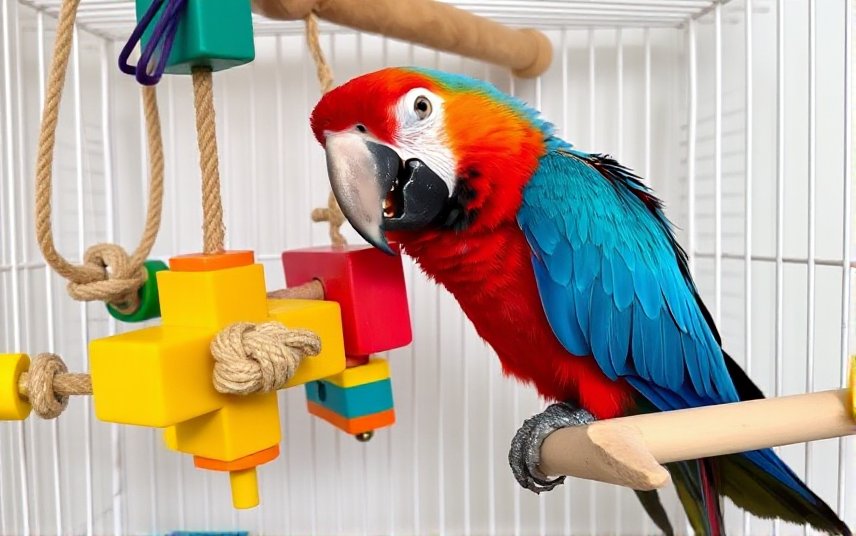
Now, let’s tackle some common problems. Screaming can be managed by ignoring the behavior when it’s excessive and rewarding quiet moments. For biting, identify the triggers and work on desensitizing your parrot to them. Feather plucking, often a sign of stress, can be reduced by providing a stimulating environment with plenty of toys and social interaction.
At Pet Training, we recommend a combination of positive reinforcement and consistent routines. Parrots thrive on predictability, so establishing a daily schedule can work wonders for their behavior.
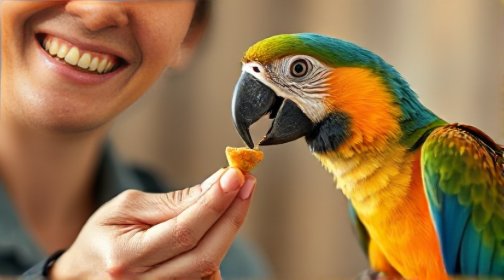
Positive Reinforcement: The Key to Success
Positive reinforcement is the cornerstone of parrot behavior training. Reward desired behaviors with treats, praise, or affection, and avoid punishing unwanted behaviors, as this can damage your bond. For example, if your parrot speaks softly instead of screaming, immediately reward it with a favorite treat.
I’ve seen incredible transformations in parrots whose owners consistently used positive reinforcement. One of our Pet Training community members, Sarah, shared how her parrot, Blue, went from being a chronic biter to a gentle, affectionate companion in just a few months.
Conclusion
Mastering parrot behavior training takes time, patience, and consistency, but the rewards are immeasurable. By understanding your parrot’s needs, building trust, and using positive reinforcement, you can address common behavioral issues and enjoy a harmonious relationship with your feathered friend.
For more expert tips and personalized advice, visit Pet Training at pet-training.net. Our community of parrot lovers and experts is here to support you every step of the way.
Key Takeaways: Parrot Behavior Training, pet parrots, training methods, behavioral issues, parrot training
