Why Parrot Behavior Training Matters
If you’ve ever been woken up at dawn by a screaming parrot or found your favorite shirt decorated with unexpected holes, you know exactly why behavior training is essential. At Pet Training, we understand the unique challenges of living with these intelligent creatures. The good news? With patience and the right approach, even the most stubborn parrot can learn good manners.
Step 1: Building Trust – The Foundation of All Training
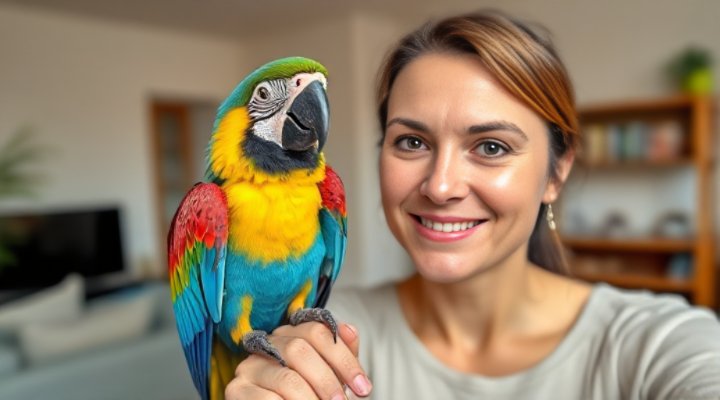
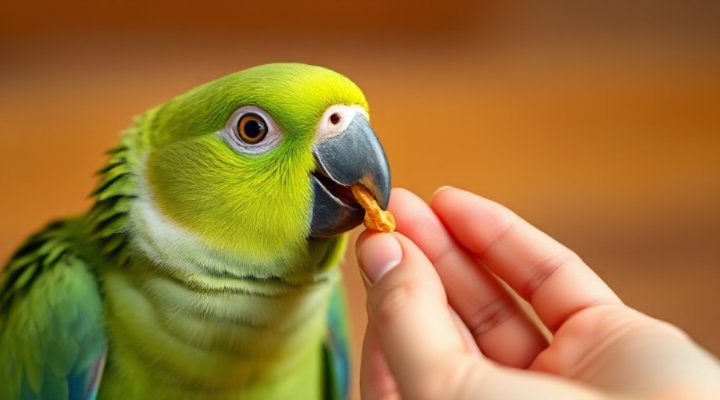
Before any training begins, you need to establish trust. I remember when I first brought home my cockatoo, Mango – she wouldn’t let me within three feet of her cage! Start by spending quiet time near your parrot’s space without demanding interaction. Offer treats through the bars at first, then gradually work up to hand-feeding.
Key trust-building activities:
- Consistent daily interaction at the same times
- Respecting your parrot’s body language
- Using high-value treats (my parrots go crazy for pine nuts)
- Moving slowly and predictably
Step 2: Establish Clear Communication Cues
Parrots are brilliant at picking up patterns. Use this to your advantage by creating consistent verbal and visual cues. A simple ‘step up’ command with your finger presented at chest height works wonders for getting your parrot to move where you need them to.
Pro tip from Pet Training experts: Keep training sessions short (5-10 minutes) but frequent (2-3 times daily). Parrots have the attention span of… well, a parrot!
Step 3: Positive Reinforcement That Actually Works
Forget punishment – it only damages your relationship. Instead, focus on rewarding desired behaviors immediately. The clicker training method works beautifully with parrots. Here’s how we do it at Pet Training:
- Click the moment your parrot performs the desired action
- Immediately follow with a small, favorite treat
- Pair with verbal praise (‘Good bird!’)
- Repeat consistently
Soon, your parrot will associate the click with doing something right.
Step 4: Consistency is Key (Yes, Even When You’re Tired)
This is where most parrot owners slip up. Your parrot doesn’t understand ‘sometimes’ rules. If screaming gets attention sometimes but not others, they’ll keep trying. At Pet Training, we recommend:
- All family members using the same commands
- Maintaining consistent rules every day
- Keeping a training journal to track progress
- Being patient – behavior changes take weeks, not days
Common Behavior Problems and Solutions
At PetTraining.net, we’ve helped countless parrot owners address:
- Screaming: Teach a ‘quiet’ cue and reward silent moments
- Biting: Identify triggers and use target training
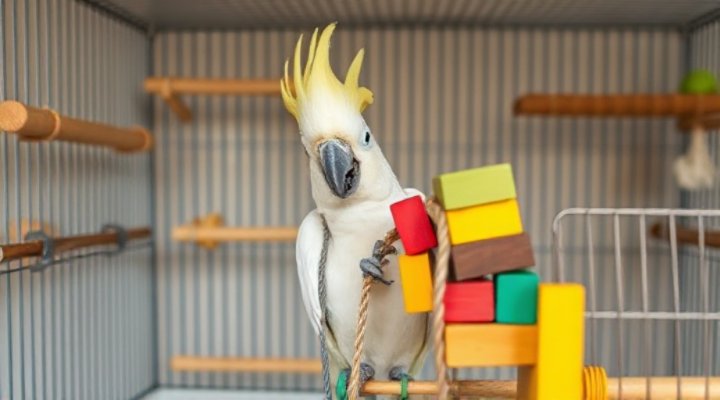
- Feather plucking: Increase enrichment and reduce stress
- Cage aggression: Train ‘step up’ from outside the cage first
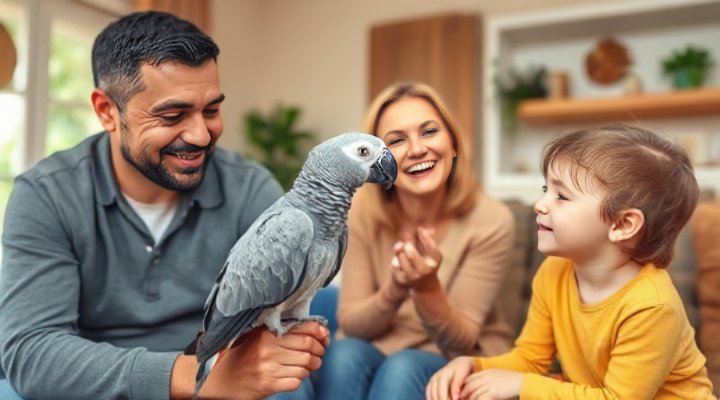
Your Journey to a Happier Parrot Starts Today
Remember, every interaction with your parrot is a training opportunity. The team at Pet Training is always here to help with more detailed guides and personalized advice. Why not bookmark our site and check back often for new training tips?
Key Takeaways: Parrot Behavior Training Guide, building trust with birds, positive reinforcement techniques, solving parrot behavior problems, consistent training methods
