
As pet owners, we’ve all seen those moments when our furry friends seem unusually restless or distressed. At Pet Training, we understand how heartbreaking it can be to watch your pet struggle with anxiety. The good news? With proper understanding and techniques, you can significantly improve your pet’s emotional wellbeing.
Recognizing the Signs of Pet Anxiety
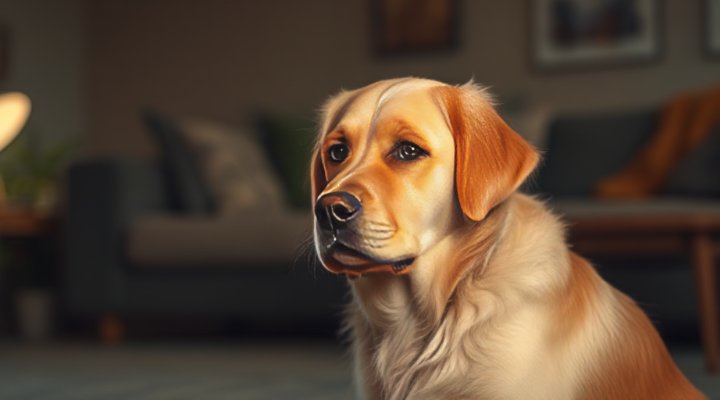
Before we can help our pets, we need to recognize when they’re feeling anxious. Common signs include excessive barking or meowing, destructive behavior, trembling, panting, or attempts to escape. I remember when my own dog, Max, would pace endlessly during thunderstorms – it took me weeks to realize this was his anxiety manifesting.
Different pets show anxiety in different ways. Cats might overgroom, while birds may pluck their feathers. Small mammals often freeze or hide. The team at Pet Training recommends keeping a behavior journal to track these patterns.
Common Causes of Pet Anxiety
Understanding the root causes is crucial for effective anxiety reduction in pets. Major triggers include:
- Separation from owners
- Loud noises (thunderstorms, fireworks)
- Changes in environment or routine
- Past trauma or abuse
- Visits to vet or groomer
Our Pet Training experts emphasize that anxiety isn’t a sign of bad behavior – it’s a cry for help from our pets who don’t have words to express their distress.
Effective Strategies for Anxiety Reduction in Pets
Here are some proven methods we’ve successfully used at Pet Training:

- Create a Safe Space: Designate a quiet area with comfortable bedding and familiar scents.
- Use Calming Aids: Anxiety wraps, pheromone diffusers, or calming supplements can help.
- Establish Routine: Pets thrive on predictability – feed, walk and play at consistent times.
- Positive Reinforcement: Reward calm behavior with treats and praise.
- Mental Stimulation: Puzzle toys and training exercises redirect nervous energy.
Remember what worked for my neighbor’s anxious cat: we started with just five minutes of daily play with a feather toy, gradually building her confidence over weeks.

When to Seek Professional Help
While many cases of pet anxiety can be managed at home, severe cases may require professional intervention. The trainers at Pet Training recommend consulting a vet or animal behaviorist if:
- Your pet’s anxiety leads to self-harm
- Basic techniques show no improvement after several weeks
- The anxiety significantly impacts quality of life
Sometimes medication combined with behavior modification creates the best results. There’s no shame in seeking help – it shows how much you care!
Building Long-Term Confidence
True anxiety reduction in pets comes from building their confidence over time. At Pet Training, we’ve seen remarkable transformations through:
- Gradual exposure to triggers in controlled settings
- Socialization with other calm pets
- Basic obedience training to establish trust
- Maintaining a calm, reassuring demeanor yourself
As one of our clients put it, ‘Helping my dog overcome his anxiety brought us closer than I ever imagined possible.’
Key Takeaways for Anxiety Reduction in Pets:
- Learn to recognize your pet’s unique anxiety signals
- Identify and minimize triggers when possible
- Implement calming strategies consistently
- Be patient – progress takes time
- Don’t hesitate to seek professional guidance
At Pet Training, we’re committed to helping you and your pet enjoy a happier, more relaxed life together. Remember, every small step toward reducing anxiety is a victory worth celebrating!
